


regional tournament participation has become one of the clearest ways to measure how Texas high school basketball programs are growing, testing themselves and building stronger local identities. The best recent example came after the 2026 TABC Boys Showcase, held June 26-28, 2026, brought 557 teams into 834 games across eight Dallas-area venues, with more than 300 college coaches and national media in attendance GASO FastBreak recap.
Those numbers matter because they move the conversation beyond single-game results. A regional tournament setting places school teams, coaching staffs, role players and rising underclassmen in front of different opponents in a compressed window. For local programs, that pressure can reveal whether a good district season is backed by real depth, whether a defensive identity travels and whether younger players are ready for varsity-level decisions.
The growth is not only about scale. It is about what that scale allows Texas basketball communities to see. When hundreds of school teams gather in one region, stronger programs become reference points for rebuilding programs. Coaches can evaluate pace, spacing, ball pressure and bench usage against teams outside their normal schedules. Families can compare development paths without relying only on rankings or word of mouth.
Why Regional Tournament Participation Matters To Texas Programs
regional tournament participation As A Measuring Stick
For many local programs, regional tournament participation creates a more honest evaluation than a single rivalry game or a comfortable district matchup. In a showcase or tournament format, teams often face unfamiliar styles. One opponent may press full court, another may slow the game with half-court execution, and another may test the glass with greater size. That variety forces coaches to assess how flexible their team really is.
The 2026 TABC Boys Showcase offered a wide field for that kind of assessment. With 557 teams and 834 games, the event gave programs enough matchups to create useful comparisons across regions and classifications, even while every result still needed context. A summer result does not define a school year. Rosters may change, football athletes may be absent, and coaches may experiment with rotations. Still, those games create film, feedback and urgency.
This is where Texas basketball history is being written in practical ways. A program does not need a state championship to show progress. It can show growth by entering stronger events, staying competitive across multiple games and learning how to manage tournament fatigue. For small towns and urban neighborhood schools alike, that participation can build belief before the official winter schedule begins.
School-Team Identity Carries Extra Value
One reason the TABC format matters is that it centers school teams. Club basketball has its place in player development, but school-team events let coaches evaluate chemistry, local roster depth and program culture. That changes the meaning of a tournament weekend. A strong showing reflects not just individual talent, but offseason attendance, shared terminology and trust between varsity and sub-varsity players moving into larger roles.
That same school-based structure supports fan engagement. Parents, alumni and local supporters can understand the stakes more clearly when athletes represent the same school names they follow during district play. For readers tracking how the event fits into statewide basketball culture, our earlier analysis of the TABC Tournament impact connects tournament growth with school pride, recruiting access and local identity.
What The TABC Showcase Growth Says About Scale
From A Large Event To A Statewide Reference Point
The TABC Showcase has grown into a major checkpoint for Texas boys basketball. In 2025, the event ran June 20-22 and featured more than 500 teams, giving coaches and fans an early look at local basketball teams before the school season Beaumont Enterprise report. One year later, the 2026 boys event moved past that mark with 557 teams.
That step from “more than 500” to 557 teams is not just a bigger bracket. It means more gyms, more schedule coordination, more transportation planning and more opportunities for college coaches to see players in person. It also means local programs must prepare for tournament logistics as part of their development plan. Rest, hydration, warmup routines, film review and bench management all become part of the competitive test.
For Texas high school coaches, that kind of scale can sharpen offseason priorities. If a team struggles to handle ball pressure at a June showcase, guards know what needs work before November. If a frontcourt group gets beat on defensive rebounding, coaches have a clear teaching point. If a young wing holds up against older players, the staff gains confidence in expanding that player’s role.
Why Eight Venues Change The Event Experience
The 2026 event’s use of eight Dallas-area venues also shows how much infrastructure is required to support regional tournament participation at this level. A single gym cannot carry a field of that size. Multiple venues help spread games across the Metroplex, but they also create planning demands for teams and families.
That matters for local fan engagement. A parent following two siblings on different teams may need to manage travel between sites. A coach may need staff members covering multiple games. College coaches and media members have to make choices about which gyms and time slots to prioritize. The tournament becomes a test of basketball organization, not only basketball talent.
For local communities, appearing in a large regional event can also carry value back home. A team that competes well against respected opponents gives its school supporters a point of pride before the regular season. A team that struggles still gains a clear standard. Both outcomes can help programs speak more directly to athletes about the work required to improve.
How Local Programs Turn Tournament Trips Into Growth
Film, Roles And Coaching Adjustments
The most useful tournament participation does not end when the final horn sounds. Coaches who turn those games into growth usually bring lessons back into practice. They can identify which players made sound decisions under pressure, which lineups protected the ball and which defensive coverages held up against better spacing.
Role clarity is a major part of that process. A regional event can show whether a scorer can defend without fouling, whether a reserve guard can organize a late-game possession and whether a post player can run the floor across several games in a day. Those details often matter more than a single scoring total.
For developing programs, the first benefit may be cultural. Athletes see what stronger teams do between games. They notice warmup discipline, communication from the bench and how top players respond after missed shots. Those habits can travel home with them, especially when coaches connect the experience to daily practice standards.
Exposure Without Losing The Local Core
regional tournament participation also gives players visibility without separating them from their school context. That is valuable for college evaluation because coaches can see how an athlete functions inside a familiar system. Does the player communicate on defense? Does he accept coaching? Does he create for teammates as well as score?
The presence of more than 300 college coaches and national media at the 2026 TABC Boys Showcase shows why the event has become so important for exposure. Yet exposure should not be treated as a shortcut. A strong weekend can introduce a player to evaluators, but consistent school production, academic work and continued development still shape the path forward.
For families, that distinction is worth keeping clear. Tournaments can open doors, but they are not magic. The healthiest use of these events is as part of a broader development plan built around coaching, practice habits, classroom accountability and steady competition.
Community Impact Beyond The Scoreboard
Families And Fans Help Carry The Event
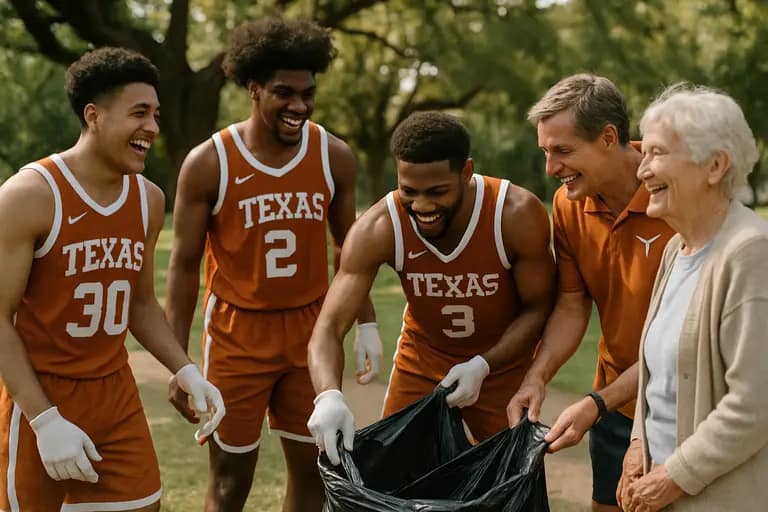
Large basketball events are powered by more than teams and officials. Families drive the miles, buy meals, adjust work schedules and fill bleachers. Local fans follow results, share updates and use tournament weekends to measure where their school stands against the rest of the state.
That community layer is one reason these events matter in Texas basketball history. Regional tournaments help connect schools that may not meet during the regular season. A team from East Texas, South Texas, the Panhandle or the Gulf Coast can return home with new reference points. That broadens the basketball conversation beyond district standings.
The available research does not show exactly how each individual program converted a TABC Showcase appearance into later wins. That uncertainty matters. We should avoid claiming that one tournament caused a playoff run unless the record clearly supports it. What can be said is that events of this size create more opportunities for evaluation, exposure and shared standards across the state.
Growth And Decline Can Exist Together
A large boys showcase does not mean every part of Texas basketball is growing equally. Participation trends can vary by gender, region, school size and local resources. Some programs are expanding access while others may be fighting roster shortages, coaching turnover or budget limits.
That is why regional tournament participation should be studied with care. Big event numbers tell one part of the story. Local gym access, middle school participation, coaching stability and family travel costs tell other parts. A healthy basketball culture needs more than packed summer brackets. It needs strong feeder programs, trained coaches and affordable ways for athletes to keep playing.
What Regional Tournament Participation Means For Texas Basketball History
regional tournament participation has become a defining marker in the modern growth of Texas high school basketball. The 2025 and 2026 TABC Showcase figures show an event large enough to influence preparation, exposure and statewide comparisons. For local programs, the value sits in the lessons carried home: better film, sharper standards, clearer roles and a stronger understanding of what competitive basketball requires.
The historical significance is not limited to the largest schools or the most recruited players. Every team that enters a regional field adds to the state’s basketball record. Some programs use the experience to validate their progress. Others use it to discover how far they still need to go. Both outcomes help shape stronger local basketball communities.
For Texas fans, the growth of these events offers a wider view of the game. Instead of waiting until district play or the UIL postseason to learn which programs are rising, communities can track development months earlier. That gives coaches, athletes and supporters more shared context, and it keeps local basketball connected to the broader state conversation.