


The NTBL Fall League opened on September 12, 2026, giving North Texas high school boys programs a school-based preseason setting before the UIL school schedule takes center stage. For coaches, the value is not limited to wins and losses. It is a chance to evaluate guard play, lineup balance, bench communication and player readiness against nearby schools in a structured league environment.
The North Texas Basketball League lists the fall league for high school boys in 9th grade, junior varsity and varsity divisions, with games tied to Flower Mound High School and Denton Guyer High School. The league is for schools only, not club or independent teams, which keeps the focus on campus programs and coaching staffs rather than travel-team branding. NTBL’s official information frames the league as a before-season opportunity for North Texas teams NTBL league information.
As of September 18, 2026, the league had already started and was still active, with dates scheduled through December 12, 2026. That timing matters in a region where high school basketball programs often use the fall to sort out varsity roles, sharpen younger players and build team habits before district games raise the pressure.
Why The NTBL Fall League Matters Before School Ball
NTBL Fall League As A Coaches’ Test
For a coach, fall basketball is often about evidence. Summer games can reveal talent, but school-based fall competition can show how players respond inside a more familiar coaching structure. The NTBL Fall League places 9th grade, JV and varsity groups in organized competition, which gives staffs a cleaner look at how players fit within school expectations.
That matters most for programs with roster questions. A varsity coach may need to identify a second ball handler, a reliable defensive wing or a post player who can hold position without fouling. A JV coach may be looking for players who can lead huddles, run sets or handle late-clock decisions. A freshman coach may simply need to see who can process spacing, pressure and transition defense against another school.
North Texas has long produced basketball depth across public-school gyms, private training spaces and club circuits. Still, school leagues carry a different meaning. They connect players to classmates, campus rivalries and coaching staffs that work with them through the academic year. That school-first structure is why this league fits the Coaches & Recruiting conversation without needing inflated claims about exposure.
NTBL has not published recruiting attendance lists or prospect data in the research available as of September 18, 2026. So the safest way to describe the recruiting value is practical rather than promotional: coaches get more live possessions to evaluate their own players, and athletes get more chances to show consistency inside team basketball. That is not the same as a showcase, but it can be useful for player development.
School Teams Keep The Community Connection Clear
The schools-only format is one of the most important details. Club basketball can help players face strong competition, but a school league keeps the local identity front and center. A player represents a campus. Families sit near classmates and neighbors. Coaches evaluate players they will work with through the school season.
For Flower Mound, Denton Guyer and surrounding programs using these venues, the setting also reduces the sense that meaningful basketball evaluation has to happen far from home. North Texas families already know the cost of weekend travel, tournament fees and packed calendars. A league built around local school teams gives parents and coaches a more grounded option during the preseason period.
The community effect is easy to overlook. A 9th grade player getting early school reps can feel more connected to the program before varsity spots are realistic. JV players can build confidence in roles that may lead to varsity minutes later. Varsity players can practice leadership before district stakes arrive. Those small steps help a program feel connected from freshman gym sessions through varsity game nights.
Schedule, Venues And Family Planning Details
Published Dates Need Clear Team Communication
For the NTBL Fall League, the published date sequence in the research begins with September 12, 2026 and continues with September 26, October 10, October 24, November 7, November 21 and December 12. The notes also refer to Wednesday scheduling during school, while the listed dates create a separate calendar pattern. Because of that mismatch, coaches and team organizers should treat the official NTBL page as the schedule reference point and confirm team-specific details directly with league contacts.
This kind of clarity matters because fall school calendars are already crowded. Players may be balancing academic work, open gyms, football crossovers, family commitments and early-season basketball preparation. Coaches need enough lead time to plan rotations and make sure players understand arrival times, venue expectations and team responsibilities.
- Divisions listed: 9th grade, JV and varsity boys.
- Venues listed: Flower Mound High School and Denton Guyer High School.
- League scope: schools only, with no club or independent teams listed.
- Published dates include September 12 through December 12, 2026.
Gate fees also shape the family experience. NTBL lists league-game admission at $6 for adults, with seniors, emergency personnel, military and younger players at $4. For tournaments, the listed adult gate fee is $16, with military, emergency personnel and seniors at $10, and 5th grade and under at $5. Those details may seem small, but they matter to families planning multiple dates with siblings, grandparents and friends in the gym.
Registration Structure Gives Coaches A Defined Process
NTBL’s registration setup includes coach and staff roles such as head coach and assistant coach, and first-time registrants for 2026 NTBL tournaments and leagues are directed to create an account. That kind of structure is not flashy, but it helps keep school-team operations organized. Clear registration roles can reduce confusion about who communicates schedules, payments, roster information and team needs.
The league also lists a $52 late-registration penalty per team after a schedule is released or a deadline has passed. Multi-team discounts are offered, and tournament registration deadlines are listed for the Sunday night before a tournament weekend. For athletic departments and booster-supported teams, those policy details matter because budget planning is part of running a dependable basketball program.
Michael Eddy is listed as the league contact, with the phone number 214-316-4963 and the email address axiom.athletics@outlook.com. For coaches, direct communication is especially useful when schedule wording, venue assignments or registration questions need to be resolved before a team arrives.
Player Development Value For North Texas Programs
Live Reps Reveal More Than Workout Skill
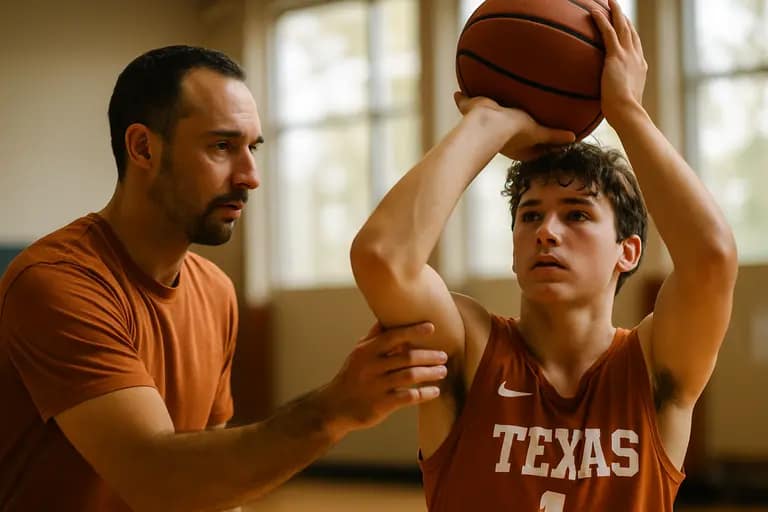
Basketball development in Texas often gets discussed through elite prospects, major tournaments and college recruiting attention. Those stories matter, but the day-to-day growth of a school program usually comes from repeated live possessions. A player learns how to defend without reaching, space correctly after a pass, screen with purpose and communicate through missed assignments.
The NTBL Fall League creates that kind of setting before the regular school grind fully takes over. Coaches can use these games to see who understands terminology, who can handle pressure and who responds well after mistakes. Those traits may not appear in a box score, but they help decide roles once games become official school contests.
For younger players, the format can be especially valuable. A freshman who has mainly played middle-school or club basketball may need time to adjust to high school speed. A JV player may be learning how to run a team rather than simply score. A varsity reserve may be trying to earn trust through defense, rebounding and dependable decision-making.
This is where preseason competition becomes part of the player pipeline. Not every athlete is on a college track, and no league should promise that. But every school program benefits when more players understand how to practice, compete and serve a role. That is a real developmental gain for North Texas basketball.
Local Leagues Help Keep Evaluation Close To Home
North Texas basketball families know that development can become travel-heavy. Weekend tournaments, private training and club events often require time, fuel and hotel costs. Local school-based competition cannot replace every part of that system, but it can balance it.
Keeping more evaluation inside familiar gyms helps coaches see players in a school context. It also helps families support their teams without turning every basketball opportunity into a long trip. That local access has value for communities that want strong school programs, full gyms and steady youth participation.
The same principle appears across Texas high school basketball, where organized events can strengthen school identity and local pride. The broader effect of school-centered competition is reflected in how the TABC Tournament strengthened Texas hoops culture through team identity and community attention.
What The NTBL Fall League Means For North Texas Basketball
The NTBL Fall League should be viewed as a practical basketball tool: not a national showcase, not a rankings event and not a guarantee of recruiting attention. Its strongest value is closer to the gym floor. It gives school coaches more information, players more competitive reps and families a clearer connection to local programs.
That fits North Texas basketball well. The region has enough school depth to make preseason games meaningful, and the schools-only format keeps the emphasis on campus development. When a freshman, JV and varsity group can all compete under the same program umbrella, coaches can build expectations across levels rather than treating each team as separate pieces.
As the league continues toward its scheduled December 12, 2026 endpoint, the key measure will be whether teams leave better prepared for school competition. Better spacing, cleaner communication, stronger role definition and improved bench readiness are the kinds of gains coaches can carry into the winter. For local fans, that means the fall league can quietly shape the basketball they see later in school gyms across North Texas.