


The UIL basketball season is already moving from planning boards into gyms across Texas. As of October 25, 2026, girls programs have passed their first official practice date, while boys teams are days away from opening formal work. That timing matters because the next few weeks set more than rotations and conditioning standards. They shape family calendars, school travel, gym staffing, booster work and the first real pulse of local basketball identity from small towns to major suburban districts.
Texas high school hoops is not just a winter sport tucked between football playoffs and spring schedules. In many communities, it is the weeknight gathering point. It gives student sections a place to be heard, bands another stage, local businesses a reason to stay busy after school hours and young players a visible target inside their own district. The 2026-27 calendar gives each of those groups a firm structure, and it also raises familiar questions about travel, state tournament access and how much strain families can absorb when the postseason reaches San Antonio.
UIL Basketball Season Dates And Early Rhythm
UIL Basketball Season Calendar Points
The official calendar creates a staggered start. Girls teams began practice on October 21, 2026, and boys teams are scheduled to begin practice on October 28, 2026, according to the published 2026-27 UIL basketball dates. Girls regular interschool games can begin on November 6, 2026, while boys regular interschool games can begin on November 13, 2026. Those dates give girls teams a slightly earlier ramp into live competition, while boys programs move from tryouts and practice into game preparation during the first half of November.
That staggered rhythm affects gym use in a practical way. Schools with one main competition court, limited auxiliary space or heavy middle school scheduling must balance practice blocks carefully. Coaches need enough time for conditioning, team defense, special situations and role sorting before games begin. Athletic coordinators need officials, security, ticketing support, concession workers and transportation plans ready before the first home date arrives.
Why Practice Starts Matter Locally
The first practices also tell families what kind of commitment the winter will require. Players may move from football, volleyball, cross country or fall club schedules straight into basketball. That creates short recovery windows and makes communication between coaches, trainers and parents more valuable. In a large district, the practice start may look routine. In a smaller community, it can shift the weekly rhythm for an entire campus.
The UIL basketball season also places pressure on younger players who are trying to move from sub-varsity minutes into varsity roles. October and November are where coaches learn which athletes can defend without fouling, handle pressure, rebound through contact and understand late-clock possessions. Early practices rarely decide a season, but they often decide who earns trust before district play tightens.
Alamodome Finals And Fan Travel
State Tournament Dates Set The Postseason Target
The postseason target is clear. Girls state tournament finals are scheduled for March 4-6, 2027, and boys state tournament finals are scheduled for March 11-13, 2027, with both at the Alamodome in San Antonio, according to the same 2026-27 UIL calendar source. District certification deadlines come before that final push, with girls standings due on February 9, 2027, and boys deadlines listed for February 16 and February 20, 2027.
Those dates matter long before a team earns a playoff spot. Coaches plan non-district games with district readiness in mind. Families begin to understand where travel could fall. Booster clubs think about buses, meals and hotel costs if a deep run happens. For a school chasing a title, the route to San Antonio is not just competitive. It is logistical.
Attendance Pressure In San Antonio
The state finals remain one of the great shared stages in Texas high school basketball, but attendance pressure is real. A 2026 report on UIL state championship crowds noted that several games at the Alamodome drew about half the crowds that comparable finals drew when the event was in Austin in 2014, including a 5A state final attendance figure of about 5,030 state championship attendance report. That is not just a number on a box score. It reflects the distance many families must travel, the cost of multi-day trips and the challenge of weekday games for working parents and students.
This is where local sports culture meets real household math. A state tournament trip can include fuel, lodging, food, missed work and school absences. Dallas-Fort Worth families face a different travel burden than San Antonio-area families. Panhandle and East Texas supporters have their own distance challenges. The Alamodome gives the event a large-stage feel, but the fan experience begins hours before tipoff on highways across the state.
That issue connects with a broader community question covered in our look at how UIL championships shape Texas towns. A title run can lift school pride and local visibility, but it also asks a lot from families who want to be present for their athletes.
Shot Clock Talk Without Losing Local Context
What Coaches Can Treat As A Trial Run
The shot clock conversation will sit in the background of the 2026-27 season even though it is not a full statewide requirement for every varsity game. Research provided for this report shows that shot clocks may be used in varsity showcases and invitational tournaments when both coaches agree. That makes the coming schedule a useful test setting for programs that want to experience a different late-possession rhythm without changing every district game.
For coaches, the basketball question is straightforward. A shot clock can reward pace, spacing, quick decision-making and organized offense. It can also expose teams that do not have enough ball handlers or consistent half-court execution. A strong defensive team may lose some ability to shorten a game by forcing long possessions, while a deeper roster may gain chances to create more possessions and wear down opponents.
Resource Questions Matter For Smaller Schools
The community question is just as serious. Smaller schools often work with limited gym equipment, smaller event staffs and fewer available table workers. A shot clock means hardware, maintenance, operator training and another layer of game-night responsibility. For a large suburban program, that may be manageable. For a small school balancing multiple sports, transportation and facility needs, the same change can feel heavier.
That is why any pace-of-play debate should stay connected to local capacity. Texas high school basketball includes powerhouse metro programs and rural districts where the scorer table may be staffed by people who already serve in several roles. The best version of rule change planning respects both competitive growth and the people who make weeknight games function.
Local Coverage And Community Identity
Scores Create A Wider Conversation
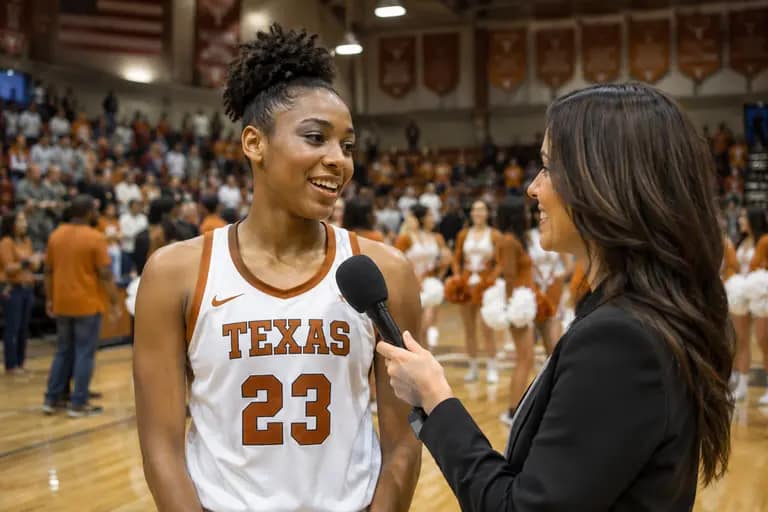
The UIL basketball season gains community value when results are easy to follow. A varsity game on a Tuesday night can matter to classmates, alumni, grandparents, local media and younger players who are not yet in high school. Public scores and team information help extend the conversation beyond the gym, especially for families who cannot attend every game.
That visibility can help athletes, but it also helps schools. A good start in November can bring more students into the stands. A tight district race in January can make each home date feel bigger. A playoff push can turn a team into a shared civic story. The best high school basketball atmospheres in Texas are built through that steady accumulation of results, rivalries and familiar faces.
Player Development Starts Close To Home
For athletes, this season is another checkpoint in a longer development path. Not every player is chasing college basketball, and not every program has the same roster size or training access. Still, the daily work looks similar across the state: footwork, shooting repetition, defensive communication, film habits and learning how to respond when a role changes.
Local fans can help that development culture by supporting more than the leading scorer. The charge-taker, the passer who breaks pressure, the post defender who boxes out and the reserve who practices hard all shape winning basketball. Texas communities that understand those details usually build stronger programs because younger players see that effort and role acceptance are noticed.
What The UIL Basketball Season Means For Texas Communities
The UIL basketball season gives Texas schools a clear winter calendar, but its impact reaches beyond dates. Girls teams have already started official practice as of October 25, 2026. Boys teams are about to join them. Games in November will lead into district races, February certification deadlines and March championship weekends at the Alamodome.
The most useful way to follow the season is through both lenses: the basketball and the community. On the floor, teams will sort out guard play, depth, defensive identity and postseason readiness. Off the floor, families will manage travel, schools will staff events and towns will decide how strongly they rally around their teams.
Texas high school basketball works best when those pieces connect. A packed local gym can give a young team confidence. A well-run tournament can support local businesses. A deep playoff run can give a town a shared memory, even if the trip to San Antonio takes planning and sacrifice. The schedule is now in motion, and the value of the season will be measured not only by who lifts trophies, but by how many communities feel represented along the way.